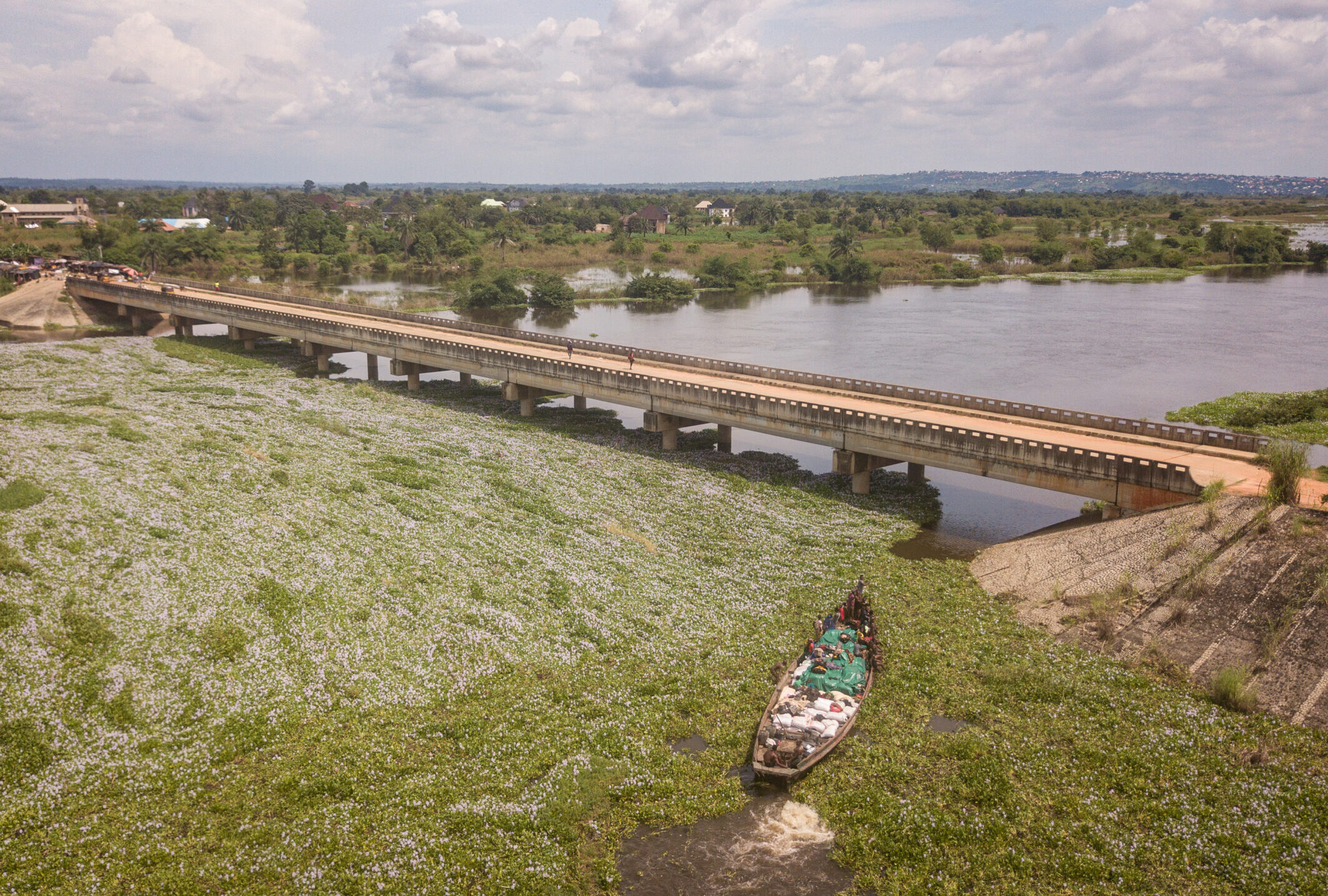
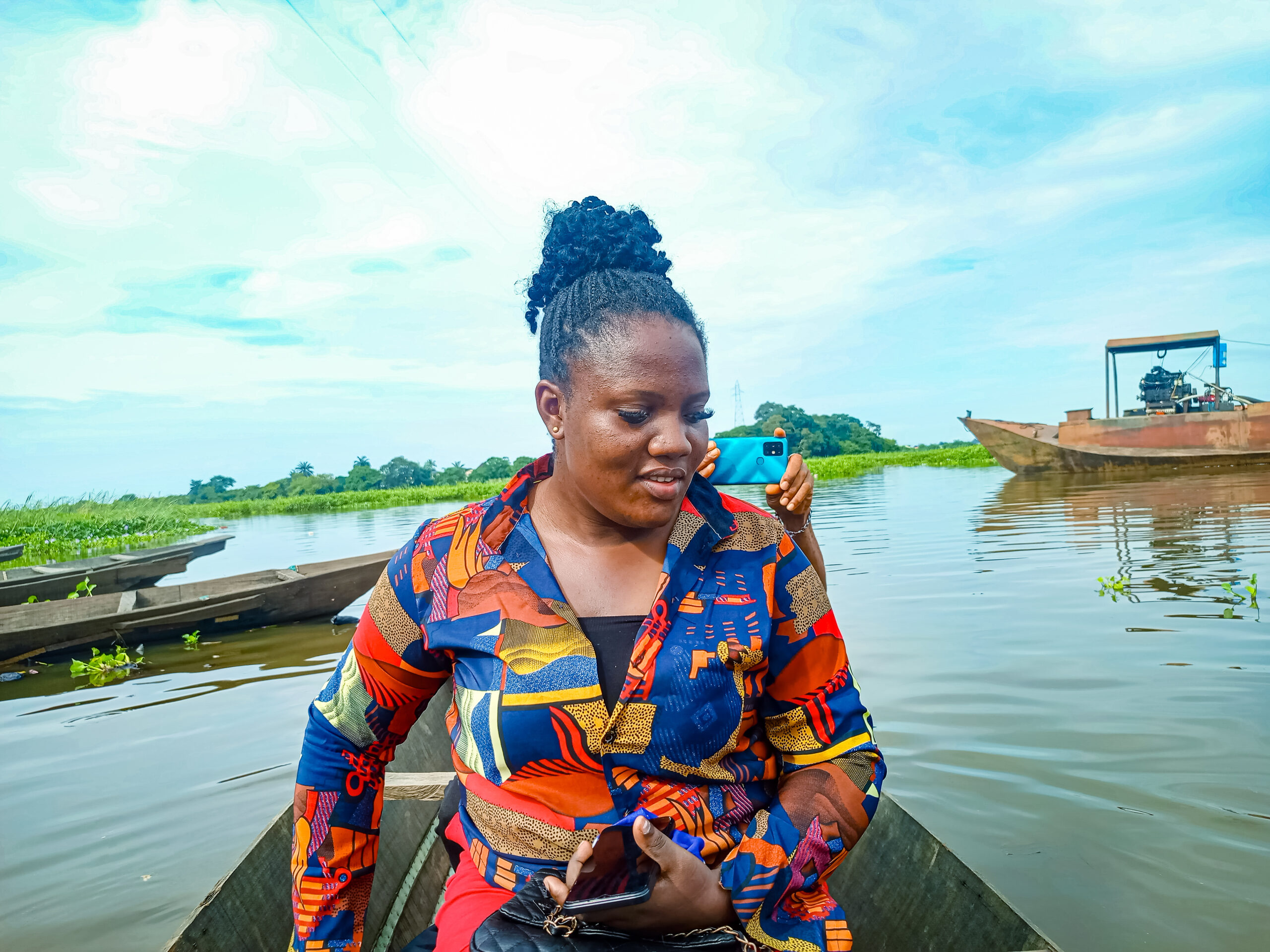
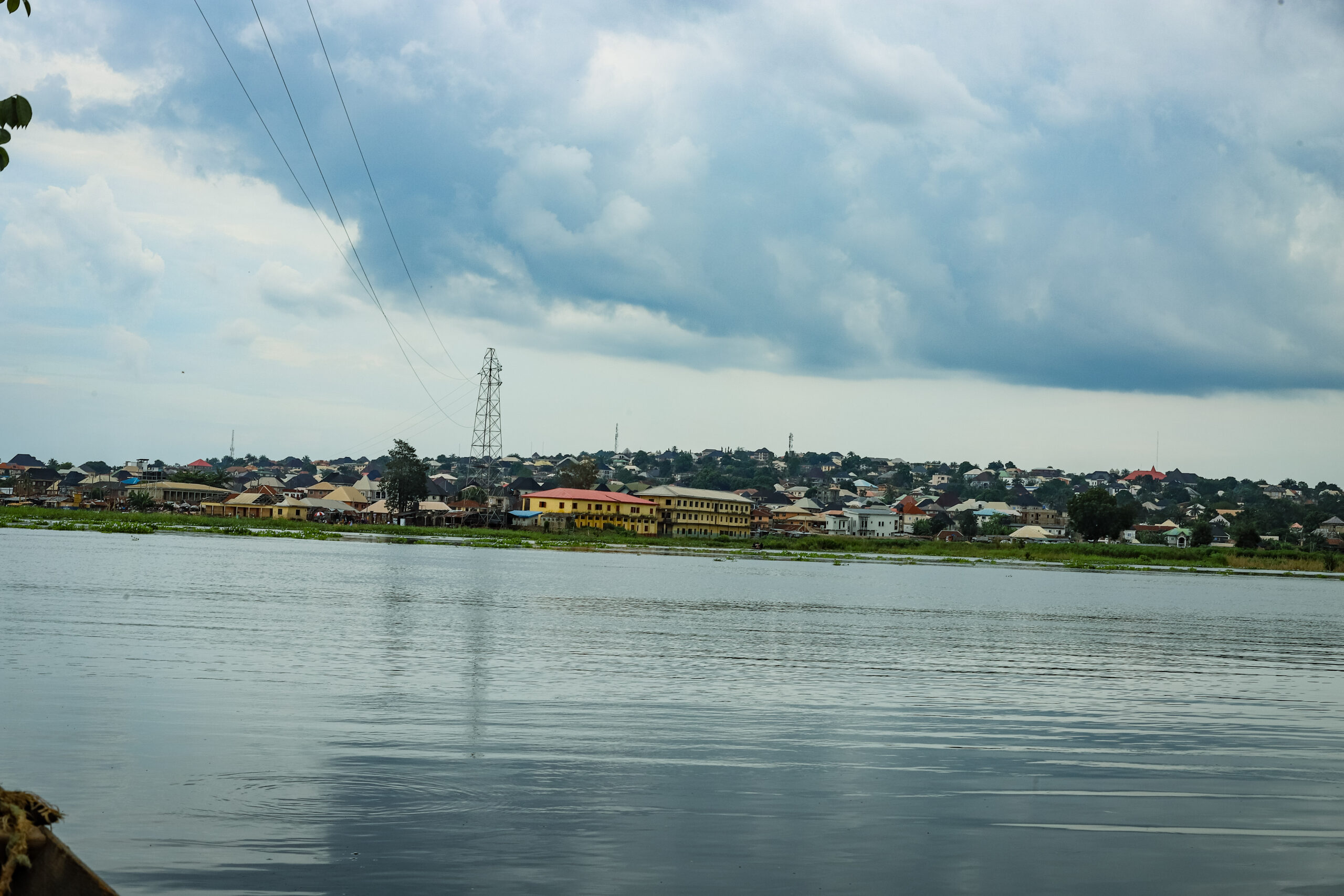
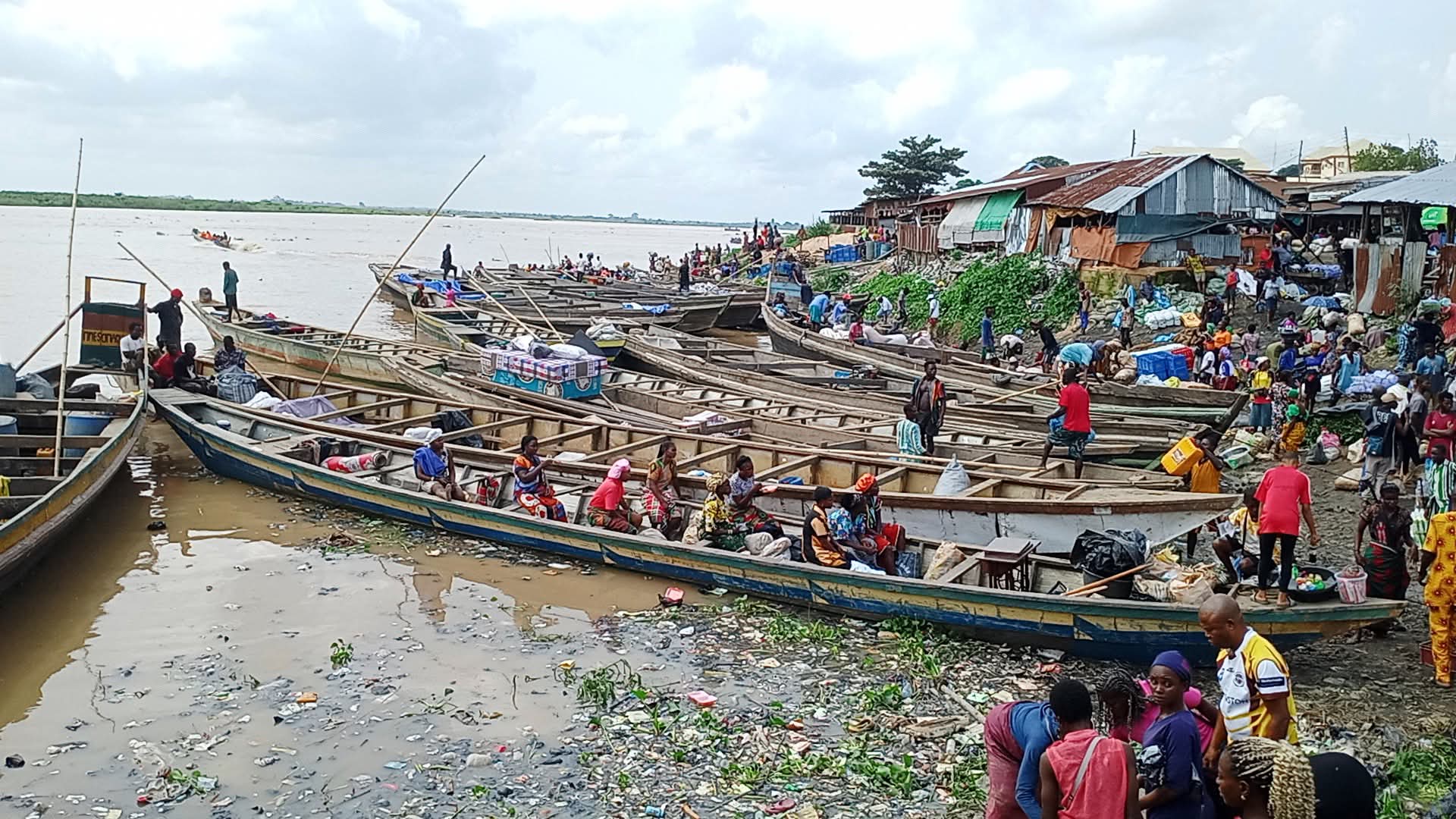
The poem KWANJOH by Osita Nneke tells the story of the Anam people who fled from slave raiders and found refuge by the Omambala river. The raiders were described as a plague of locusts, consuming everything in their path and leaving destruction and chaos behind. The Anam people fought back but were vastly outnumbered and outmatched.
The poem describes the Anam people’s journey to their new home, where they found safety and prosperity. The land was fertile and blessed with many water bodies, and the people were grateful for the benevolence of the water goddess. The poem highlights the importance of survival and the role of tradition and culture in preserving the community’s history.
The poem concludes by celebrating the annual Kwanjoh festival, which commemorates the Anam people’s survival and newfound home. The festival is a time for recreation, celebration, and commemoration, and the poem emphasizes the importance of preserving tradition and cultural heritage. The poem ends with a call to action, urging the people to continue celebrating _Kwanjoh_ and to pass on the tradition to future generations.
Being Informed is the best culture a man can practice.
Mr. Dominic Nnamdi Ateli Auditor II
Accountability is key; success befriends it to stay true to itself.
Amb Chike John Anekwe Provost
Long and short of leadership is having a good level of Emotional Intelligennce.
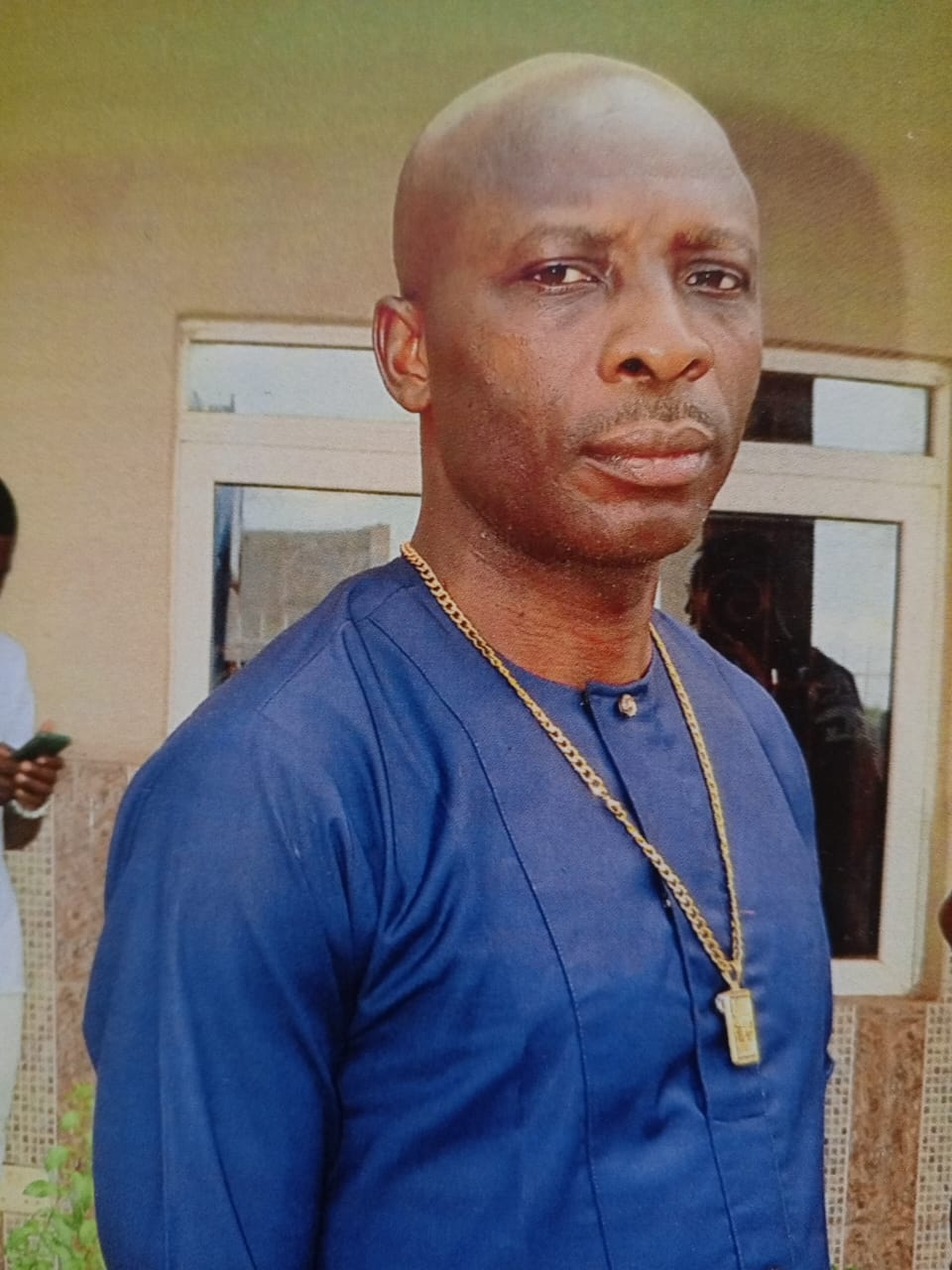
Basil Ilegbune Financial Secretary
Financial wisdom is beyond the making or spending of money, it is the lifestyle you invest in.
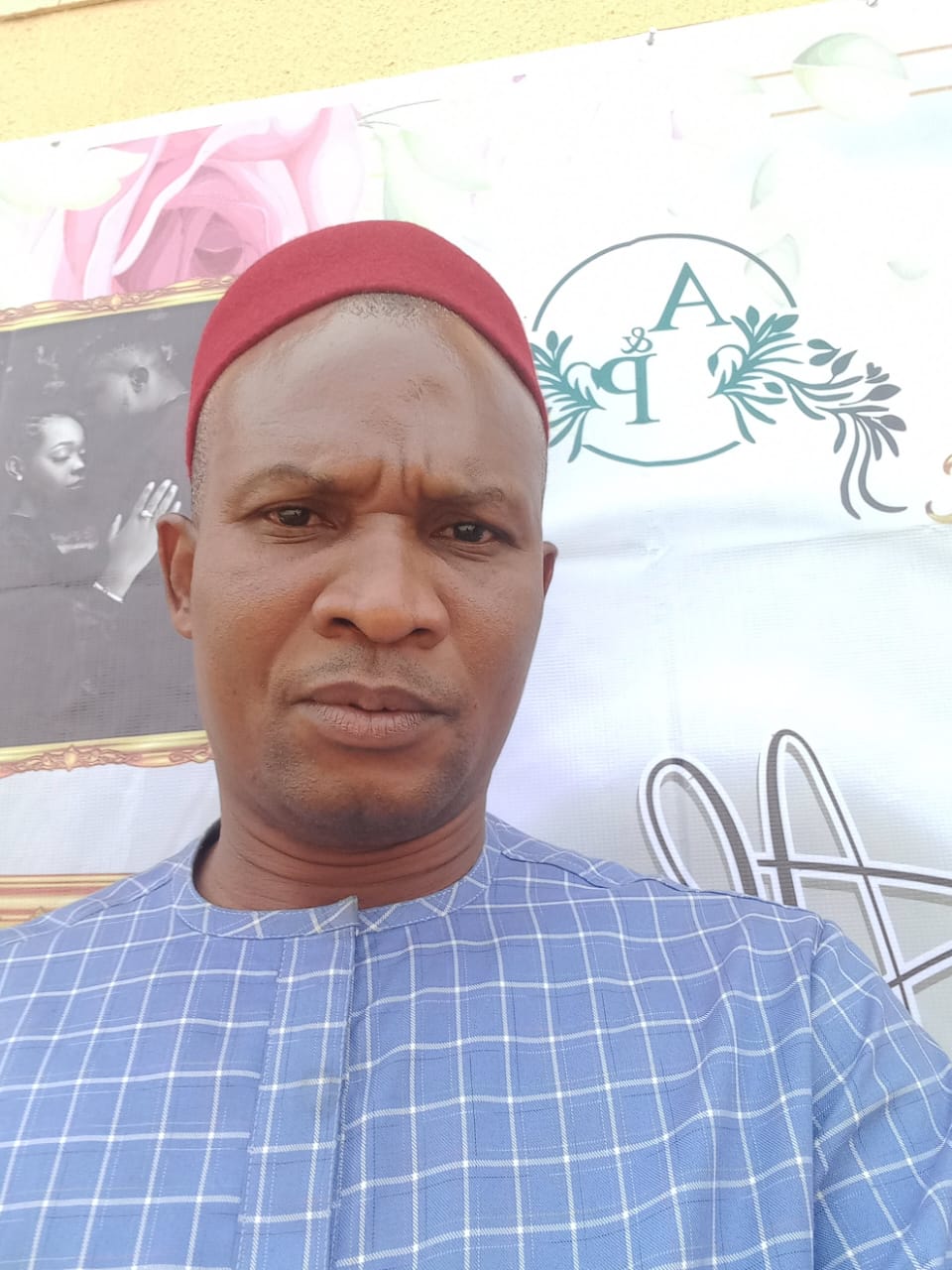
Chief Sylvester Okoye 2nd vice chairman
Leadership is an art, not an act.
What We Do
01.
— We Find & Fund
We identify the most pressing community needs in Anambra State, from rural infrastructure gaps to youth unemployment challenges. Through targeted grant proposals and donor partnerships, we secure and allocate funds for sustainable development projects that directly uplift Ana m communities.
02.
— We Build Networks
We connect local cooperatives, town unions, and women’s groups with government agencies, corporate partners, and international NGOs. By fostering strong collaborations, we create ecosystems of support that empower Ana m people with resources, knowledge, and opportunities for growth.
03.
— We Strengthen
We train community leaders and local organizations in governance, project management, and advocacy. Through workshops and mentorship, we build institutional capacity so Ana m communities can drive their own development and engage effectively with stakeholders.
04.
— We Educate
We run adult literacy programs, vocational skills workshops, and public health awareness campaigns across Ana m communities. Our education initiatives empower individuals with practical knowledge to improve livelihoods, health, and civic participation.
05.
— We Provide Care
We organize medical outreach programs, distribute essential supplies to vulnerable households, and offer psychosocial support to women and children affected by conflict or poverty. Our care ensures no one in Ana m is left behind in times of need.
06.
— We Consult
We offer research-driven insights and community-based feedback to government bodies, NGOs, and private partners working in Anambra State. With deep roots in Ana m, we help shape policies and programs that are culturally sensitive and impact-focused.
“I Can Now Read My Grandchildren’s School Reports” — Mazi Obiora’s Story
For over 40 years, Mazi Obiora from Nanka village couldn’t sign his own name. He worked as a subsistence farmer and always felt ashamed when asked to fill out forms or read letters. When the Ana m People’s Association launched their adult literacy program in our community, my wife persuaded me to attend. At first, I was hesitant, but the kind instructors met us right at the village square and taught us using familiar local proverbs and market math. Today, I can write my name, read the Bible myself, and even help my grandchildren with their homework. I no longer depend on others to understand a hospital prescription or a bank slip. This program gave me more than letters—it gave me my dignity back. Thank you, Ana m People’s Association, for lighting up our minds at every age.
“From Street Hawking to Owning a Shop” — Adaeze’s Journey
I lost my father at 14 and had to hawk sachet water on the streets of Awka to support my family. It was a difficult and unsafe life, especially for a young girl. Everything changed when I joined the Ana m People’s Association’s Youth Skills Program. They trained me in tailoring and business management and provided a small startup grant. With their mentorship, I opened a small tailoring unit in my mother’s compound. Today, I employ two other young women and supply school uniforms to three local schools. My income doesn’t just feed my family—it pays my younger brother’s school fees. The Association didn’t just give me a skill; they gave me a future and made me a pillar in my community.