
November 9, 2025
Farmers and residents of Eight communities that make up Anam Town in Anambra East and West Local Government Areas of Anambra State have continued to lament the severe challenges, damages and endless sufferings they undergo annually due to flooding. This recurrent phenomenon has left a permanent hole in their socio-economic lives, condemning many into lifelong struggles behind poverty line and ensuring yearly turn over of food wastes.
Despite the magnitude of the situation, government agencies and various institutions have often failed to provide adequate assistance during and after these crises, leaving the affected communities and farmers to resort to self help or bear their losses in silence.
Recently, the Anam Peoples Assembly, the apex town union institution, commissioned a flood assessment team that visited various communities, farm settlements and other locations during the flooding season on a fact-dinding exercise. The tour confirmed what many had been speculing concerning the huge losses suffered by Ndị Anam annually.
Flooding Impacts on Agriculture

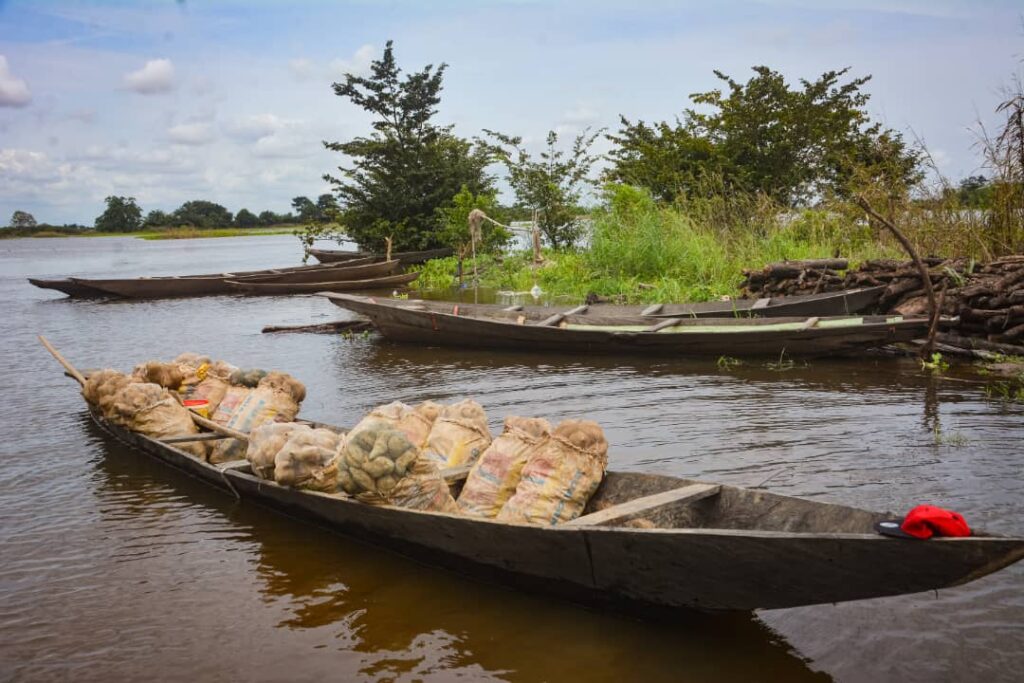
Evidence from the tour confirmed that annual flooding, which often sack farming settlements and communities in Anam significantly affects agricultural productivity. The inundation of farmlands during the months of July, August, September and October, usually referred to as ‘Flooding Season” (Oge Iji) destroys crops that farmers have worked hard to cultivate. Most farmers interviewed on their farms and other locations confirmed that due to flash flood, they are usually forced to harvest some portions of their crops and sell at give away prices while the rest and consumed by it.With most families depending on farming as their primary source of income, these losses directly undermines their livelihoods. They equally lamented their inability to cover their production costs and lack of funds to buy farm inputs that they can invest for their next farming season.
Further investigation reveals that with no financial lifeline, most farmers usually borrow funds during planting season, at huge interest rate, just to remain in business, only to end up not recouping their investment at the end due to flood. This seasonal loses usually leave most farmers in perpetual cycle of debt servicing, which keeps increasing.
Reports from local farmers indicate that they have faced an alarming decline in yields, exacerbating issues related to poverty and food insecurity in the region.
The unpredictability of the flooding means that farmers are often left uncertain about their future, leading to mental distress and reduced motivation for agricultural practices.
Beyond the farmlands and farmers, the flooding has broader socio-economic implications for Ndi Anam. Apart from agricultural losses incurred during flooding crisis, residential homes, market shops, schools, church and other public infrastructures are submerged, displacing occupants or users, and forcing them into temporary shelters. The lack of adequate housing, foodand sanitation facilities poses severe health risks to the affected populations. Although, government often set up makeshift camps in places like Onitsha and Otuocha for displaced residents, investigations revealed that those facilities are not adequate and well equipped to cater for the basic needs of the affected families and persons. In many cases, displaced persons don’t have resources or access to transport themselves to the holding camps and back. To this extent, they prefer to resort to self helps to survive weeks of flooding crisis. Those interviewed recounted varying experiences and methods of surviving the floods, including sharing hilltops, upstairs, makeshift rafters and scafolds with fellow displaced persons and animals, also trying to survive.
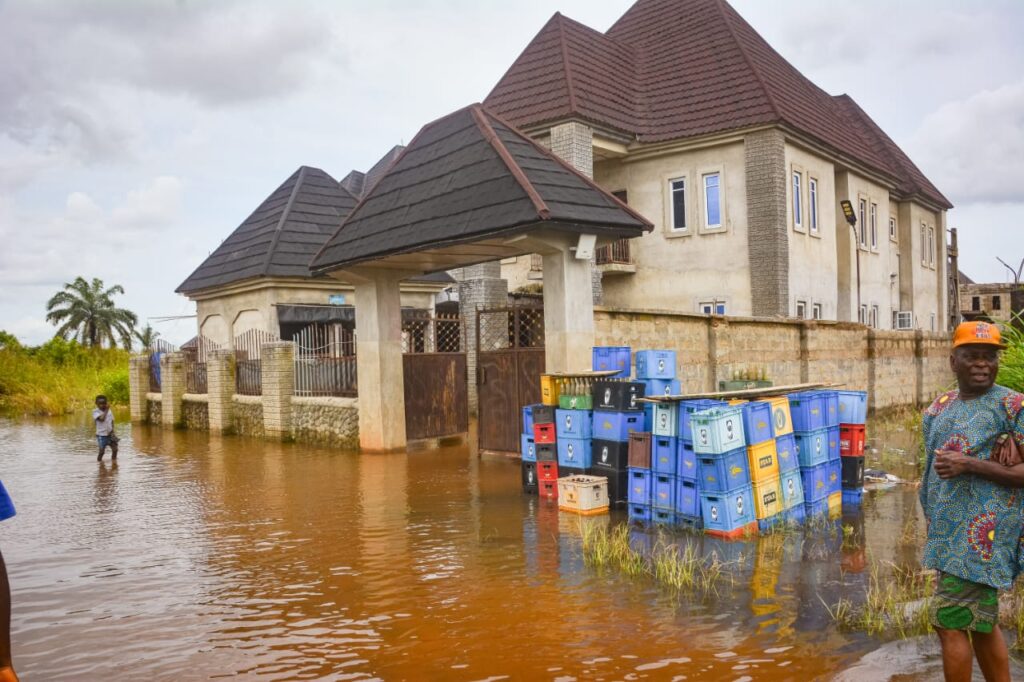
Investigation reveals that at the peaks of major flood crisis season, economic activities in the communities suffer, as local markets and small businesses, as well as academic activities experience disruptions. This diminishes the purchasing power of families and contributes to heightened levels of poverty and unemployment within the community.
Sadly, despite the scale of the crisis, the response from governmental and non-governmental organizations has often been inadequate. Most of local farmers and residents interviewed during the recent tour of the flood affected places in Anam reported receiving no assistance during flooding crisis all through their lives. It was observed that emergency relief efforts set up by the federal and state governments are typically hijacked by politicians and the process of distributing them often marred by bureaucratic bottleneck and systemic corruption. The process of dispensing the relief materials often leave flood affected communities and persons without timely support during and after the crisis, a development that had contributed largely to their loss of confidence in any government intervention programme. Most of the respondents interviewed confirmed that government insensitivity towards their plights contributed to their indifference to participation in election and other civil exercises.
Besides not providing immediate relief and financial support during and after the flooding crisis, government has also been accused of not doing anything to address the causes of flooding crisis. Long-term solutions such as dredging of river Niger, Benue and others have remained a policy on paper while flood management strategies have not been prioritized. This systemic failure, experts say, can be attributed to a lack of resources, insufficient governance, and neglect of rural communities in regional development planning.
The impact of annual flooding on the farmers and indigenes of Anam is profound, presenting challenges that require immediate attention and action. To mitigate these losses, there is a pressing need for effective government intervention and support from institutions. It is crucial to develop and implement comprehensive strategies that address both immediate relief needs and long-term infrastructural solutions to safeguard the livelihoods of the affected communities in Anambra West Local Government Area. Addressing these issues will not only enhance the resilience of the farming community but also contribute to the overall socio-economic development of the region. Anambra Government, led by Prof. Chukwuma Soludo is expected to take special interest in this vital agricultural belt of the state and proactive measures to help them cushion the effects of the crisis. Legislators representing the area at the state and federal parliaments are equally expected to rise to the occasion by presenting bills, motions and intervention projects geared towards helping real flood affected farmers and residents of Anam communities to cushion the effect of this seasonal calamities. The Anam Peoples Assembly, APA leadership and other community based organizations and corporate entities must work at their level to also drive this crisis and solution into the consciousness of the public, government and international audience. It’s time to come to the aid of Ndị Anam. This crisis, can be mitigated, if not solved.
Olisemeka Obeche, writes from AWKA, Anambra State. And can be reached via olisemekasony@gmail.com